A walking tour · Parker, Colorado
Walk Mainstreet
with Johnnie
Six real places. Six things worth protecting. Keep scrolling.
Stop 1 of 6 · Parker Road & Mainstreet
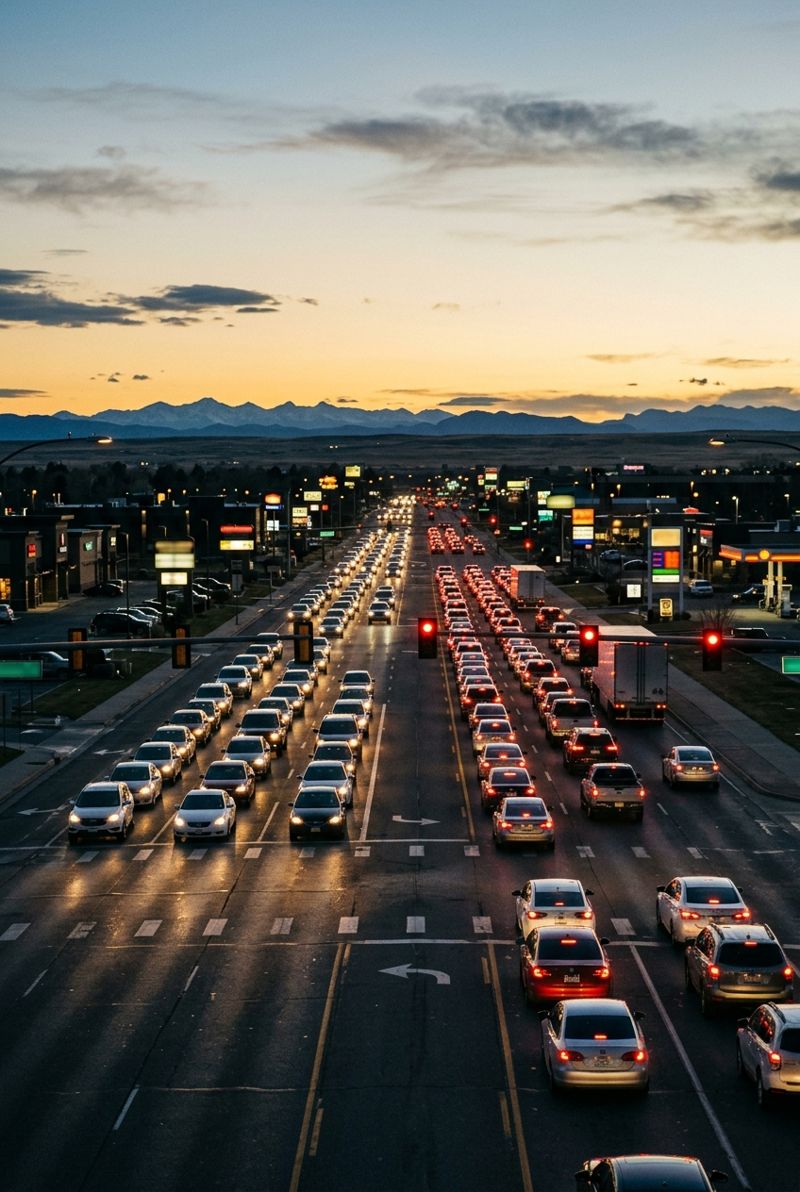
Traffic
The corner that decides your evening
Stand here at 5:30 on a Tuesday and you'll see it: the light cycles twice and you're still not through. Parker Road carries most of this town to work and back, and every year the wait gets a little longer. Johnnie's position hasn't changed since day one — corridor improvements come before new density, every time. That means signal timing, turn lanes, and real coordination with Douglas County and CDOT before anyone approves the next thousand rooftops. Traffic isn't an inconvenience line on a staff report. It's an hour of your family's day.
Corridor fixes before new density — every time.
Stop 2 of 6 · New development, downtown
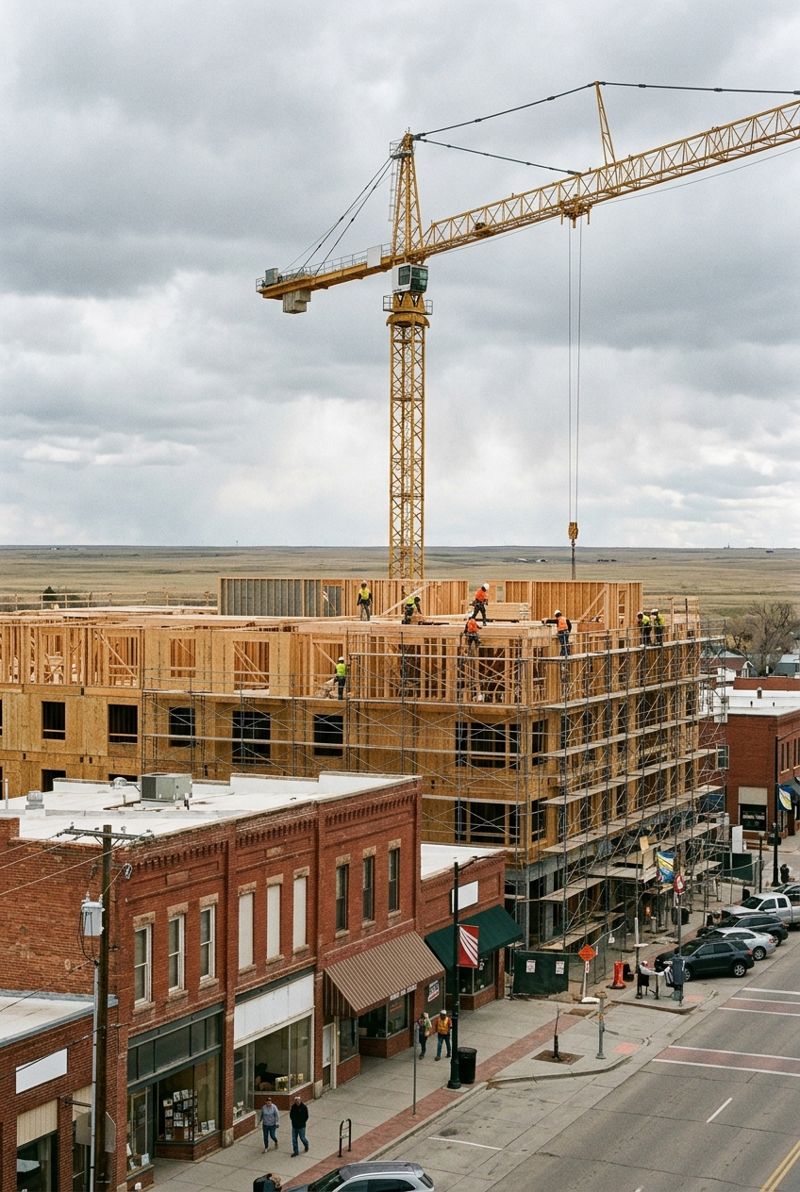
Growth
Growth that pays its own way
Look up — that's the newest silhouette on Mainstreet. Johnnie isn't against it. Investment downtown means restaurants stay open and storefronts stay full. But every project that adds height and traffic should pay its own way: impact fees that actually cover the roads and water it demands, design that fits the block it lives on, and a council that reads the fine print before the ribbon gets cut. Growth that pays for itself makes Parker stronger. Growth that doesn't sends you the bill later — on your commute, your water rates, and your kids' classrooms.
Development pays its own way — or it waits.
Stop 3 of 6 · A Mainstreet storefront
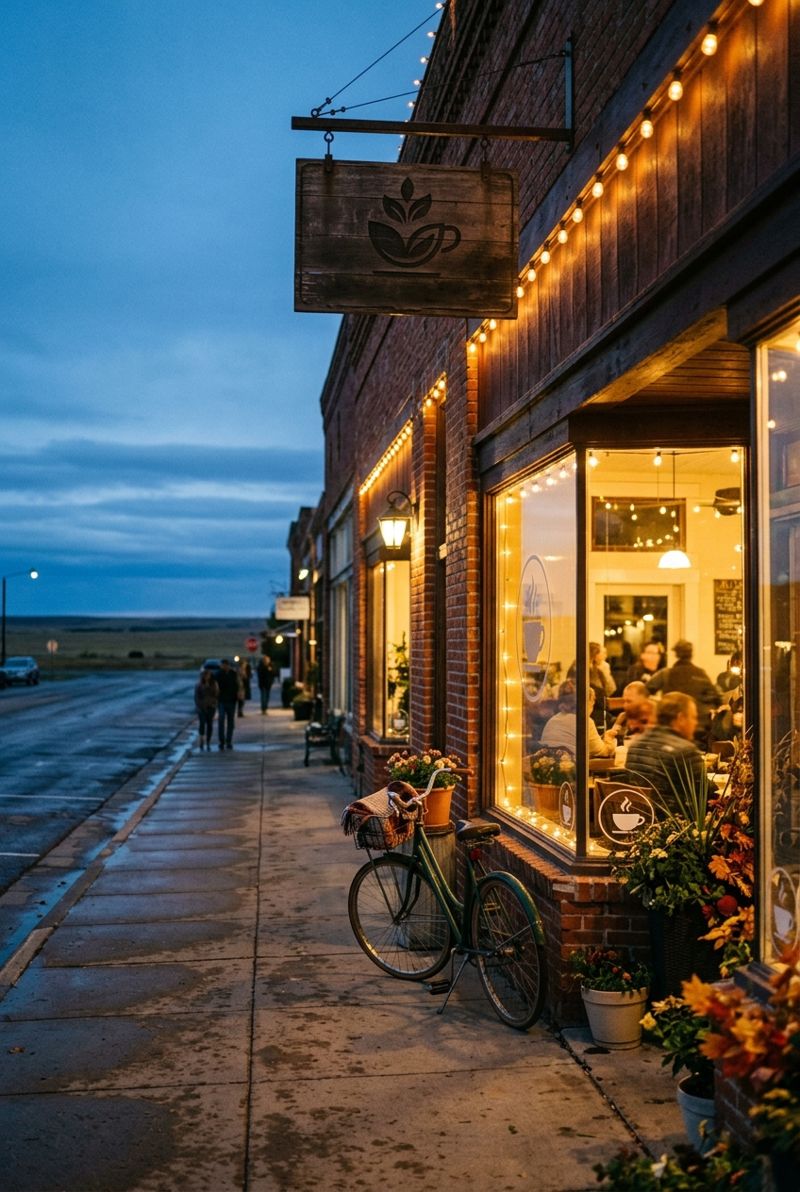
Local Business
What Parker actually runs on
This is the real economy of this town: a local owner who knows your name, staff who go to school with your kids, a sidewalk that stays lit after dark. Chains can outspend Mainstreet, but they can't out-neighbor it. Johnnie wants a town hall that treats small business like infrastructure — permits measured in weeks, not months; events that pull foot traffic down the block; and a seat at the table whenever parking and construction decisions get made. If Mainstreet thrives, Parker keeps feeling like Parker.
Small business treated like infrastructure.
Stop 4 of 6 · The water tower, O'Brien Park
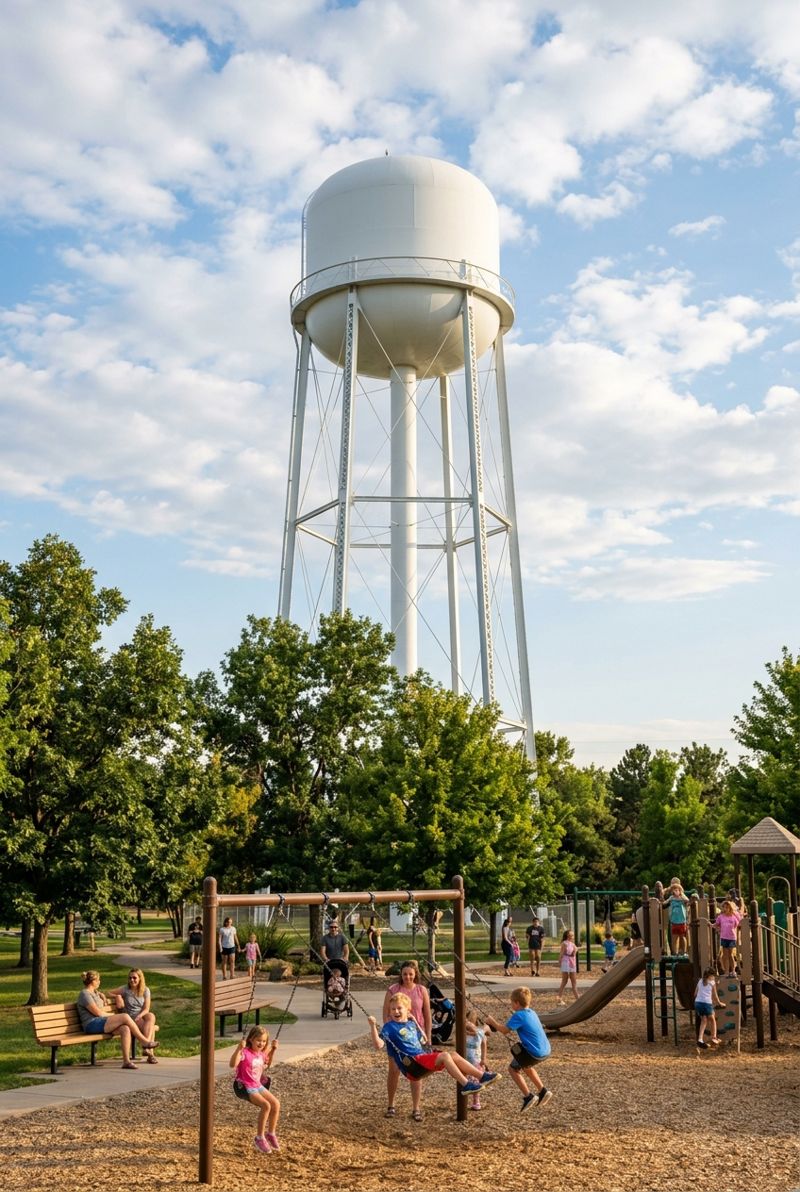
Hometown Character
The landmark that says you're home
Every hometown has a landmark that tells you you've arrived. Ours is a white water tower standing over O'Brien Park — the playground, the ball fields, Parker Days in the summer. This is the character everyone says they moved here for, and character doesn't defend itself. It gets defended one vote at a time: on building heights, on setbacks, on whether a new block feels like Parker or like anywhere. Johnnie's test for every proposal is simple — standing next to it, would you still know you're in Parker?
Every project passes the "still feels like Parker" test.
Stop 5 of 6 · Sulphur Gulch Trail
Parks & Open Space
The best free thing this town owns
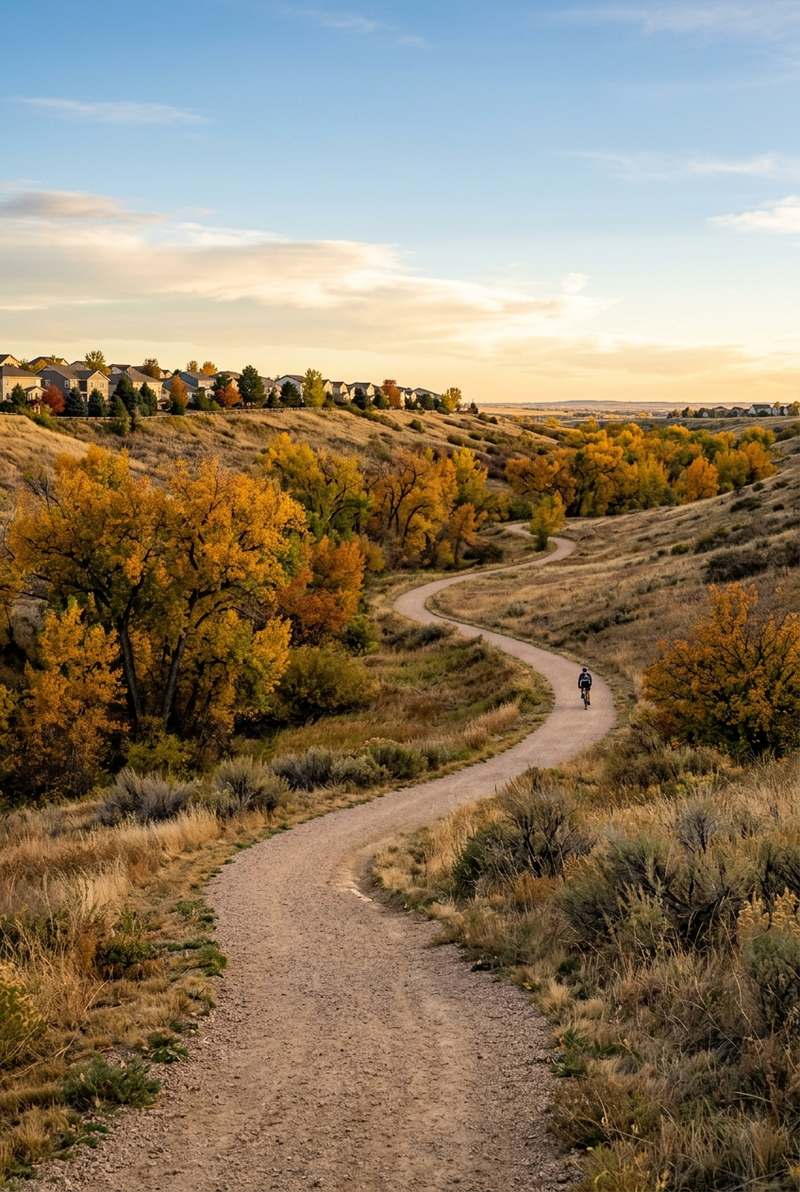
Follow the gulch behind Mainstreet and the town goes quiet — cottonwoods, a gravel path, prairie sky. Parker's trail and open-space network is the best free thing this town owns, and it only stays that way if the council treats it as essential, not decorative. Johnnie will protect open-space funding, keep trail connections in every development review, and make sure the parks that made Parker famous grow with the population instead of falling behind it. A town you can walk across is a town worth staying in.
Open space is essential, not decorative.
Stop 6 of 6 · A front porch, Parker
The Ask
A neighbor, not a politician
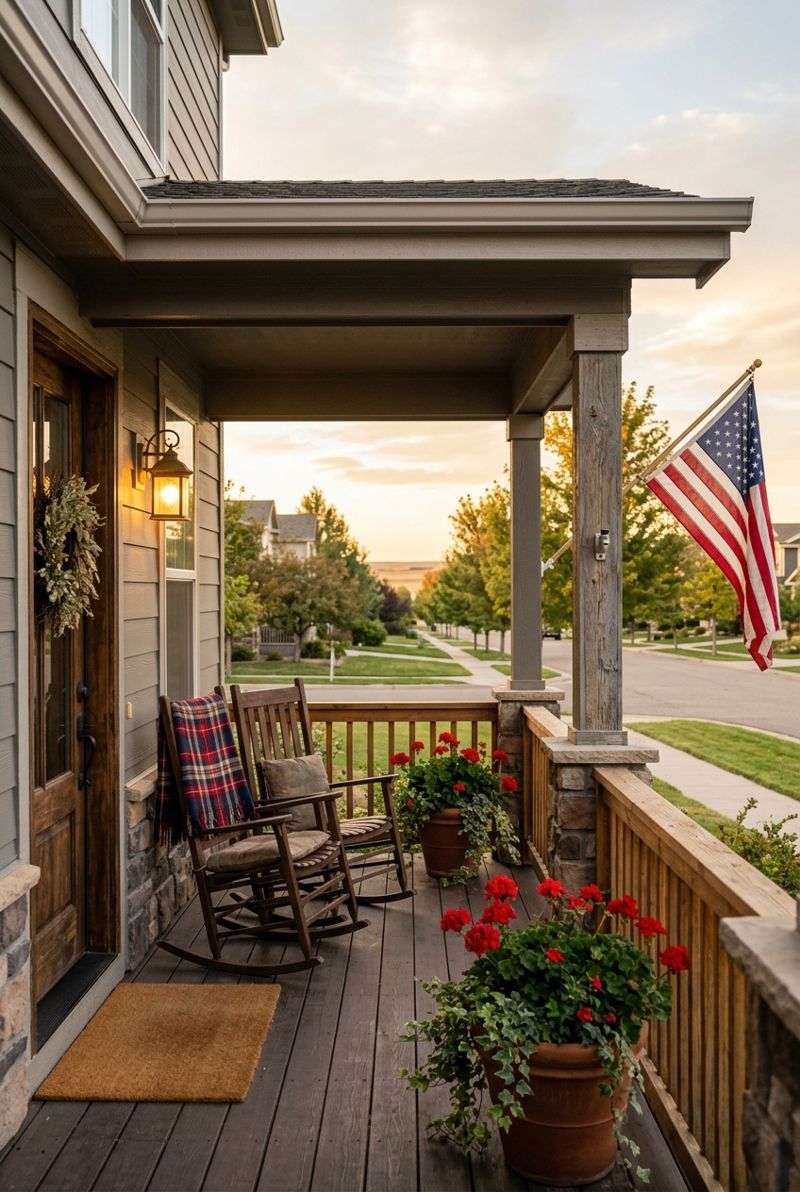
This is where the walk ends — a porch like yours. Johnnie Turnidge isn't a politician. He's a neighbor who got tired of watching decisions get made about Parker without Parker in the room. No special-interest money. Filings with the Town of Parker Clerk, public record. One promise: he'll listen before he votes, every time. If that's the kind of council you want, make one pledge today — not just money. A plan to vote.
Chip InPaid for by the Committee to Elect Johnnie Turnidge.